
Ask a class of fifteen-year-olds what they’re thankful for, and you’ll get the same list every year: family, friends, food, my phone. A few will write it with a straight face. Most will write it with a smirk.
The problem isn’t gratitude. It’s that “What are you thankful for?” is a big, soft question, and big, soft questions get big, soft answers. Teenagers are very good at spotting when they’re being asked to perform a feeling. Give them something smaller and more specific, though, and the writing changes completely.
Here are five gratitude writing tasks that work with middle and high schoolers, plus a free ten-minute quick write you can use this week.
1. Zoom in on one small thing
Instead of a list, students choose one ordinary thing they’d miss if it disappeared tomorrow: the kitchen light that’s always on when they get home, a particular hoodie, the bus driver who waits an extra ten seconds. Then they write 100 words about it, and they aren’t allowed to use the words “grateful” or “thankful”.
The ban is the whole trick. Without the label, students have to show why it matters through detail: what it looks like, what it sounds like, when they notice it.
Try it: model one yourself first.
2. A thank-you letter you don’t have to send
Students write to someone who would never expect a thank-you: the lunch staff, a coach, an older sibling, a teacher from years ago. Make sending it optional, and say so at the start. Knowing nobody has to read it makes the writing more honest, and plenty of students choose to send theirs anyway.
Push for one specific moment rather than general praise. “Thank you for the time you…” is stronger than “Thank you for always being there.”
3. Thank you for the hard thing
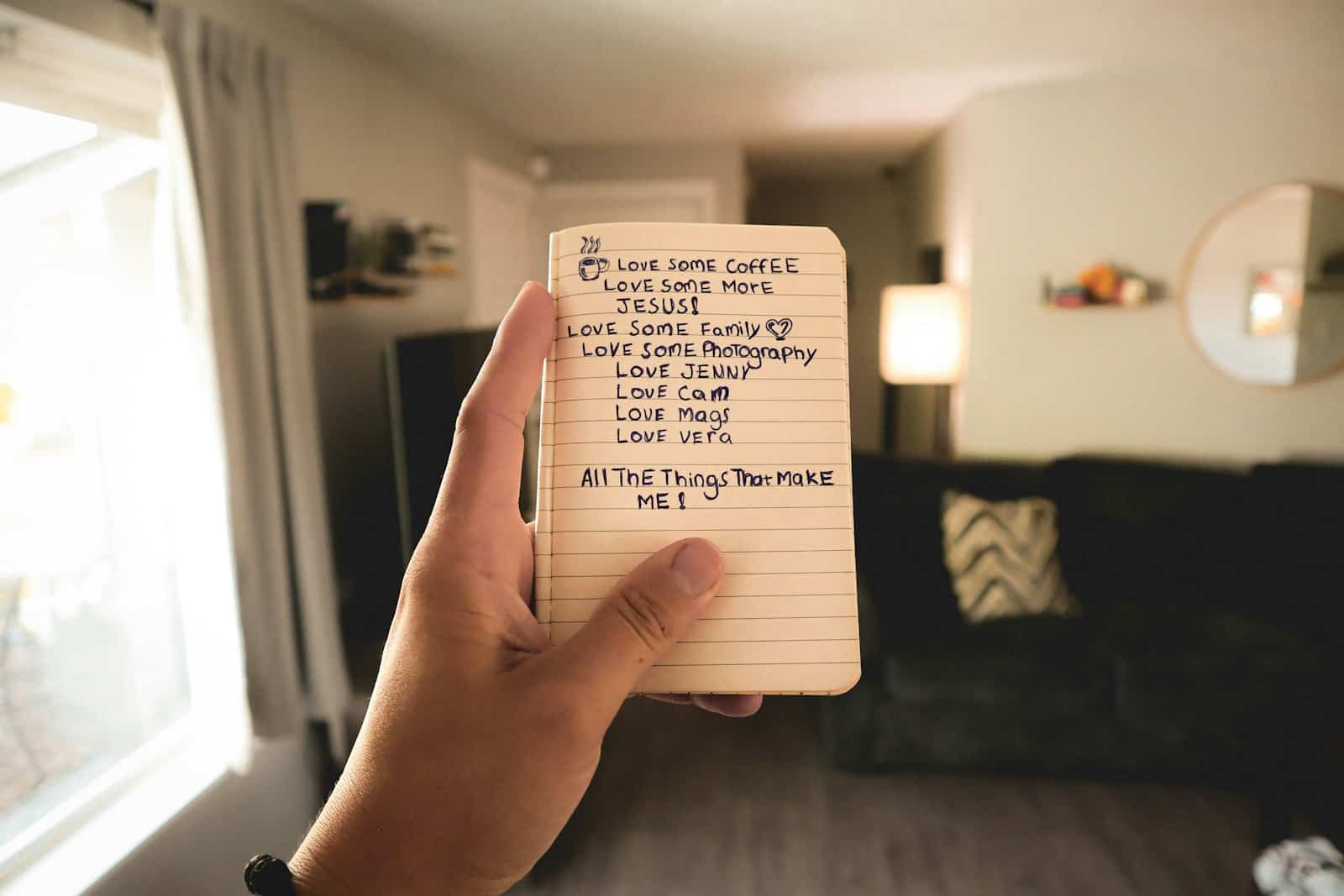
Older students often respond well to gratitude for something difficult: a test that went badly and changed how they study, a move to a new school, a friendship that ended. It’s reflective rather than cheerful, and that’s what makes it feel real to them.
Offer it as one choice among several, never the only option, and remind students that they decide what to share. Some students’ hard things are too big for a classroom task.

4. An ode to something ordinary
Odes praise things, so they’re gratitude writing in disguise. Pablo Neruda wrote odes to socks, tomatoes and salt, and his Odes to Common Things makes a lovely mentor text if your library has a copy. Students pick an object nobody would write a poem about (a pencil case, a radiator, leftover turkey) and praise it as if it were a hero.
It works because it’s slightly ridiculous. Students who would never write a sincere thank-you poem will happily write an over-the-top ode to their trainers, and the best ones end up surprisingly touching.
5. The Thanksgiving table, in dialogue
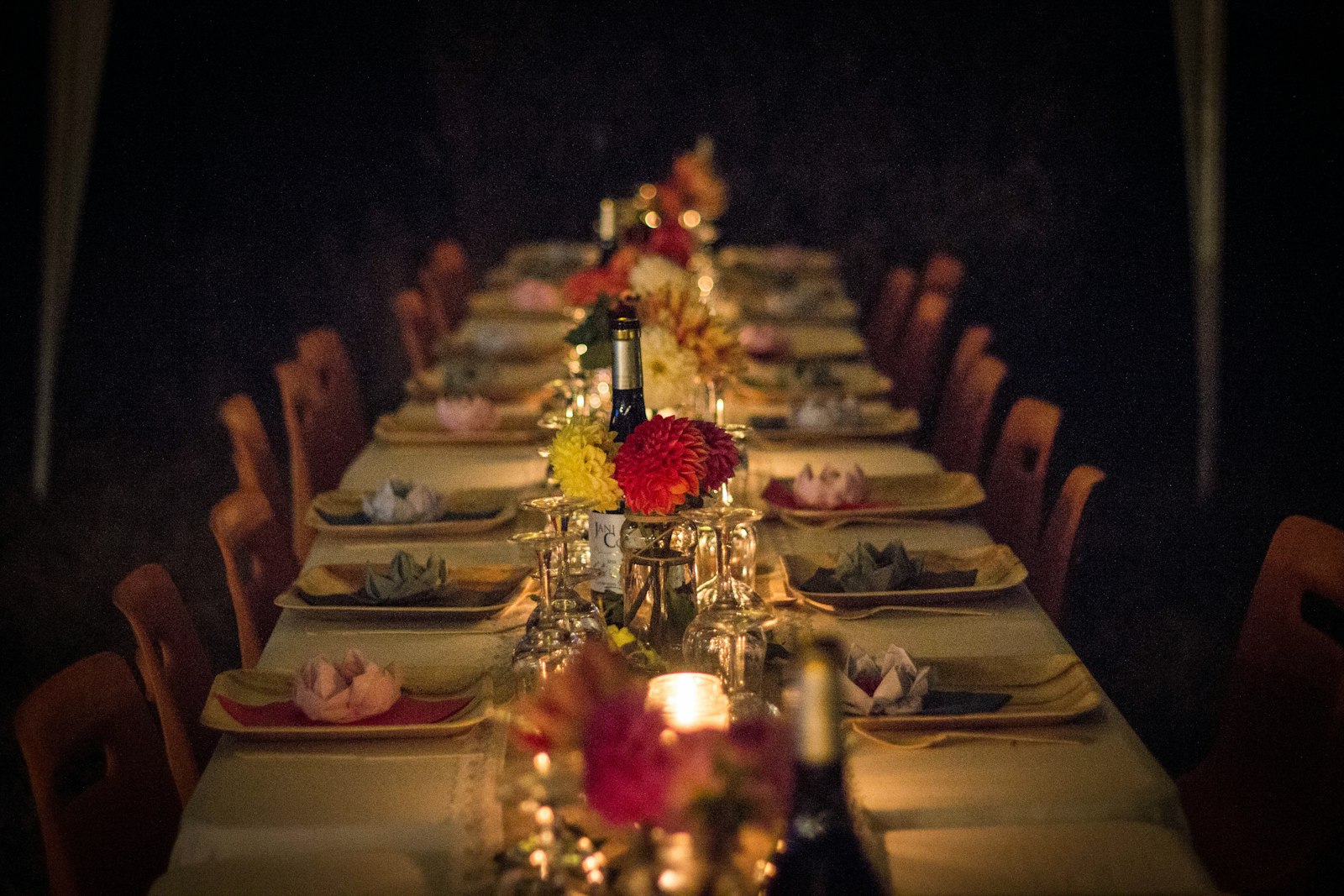
For a creative writing angle, students write a short scene at a holiday meal, told only through dialogue. Who’s arguing about the gravy? Who is quietly glad someone came home? The gratitude shows up between the lines rather than in a speech. It works for any family meal, so students who don’t celebrate Thanksgiving aren’t left out.
Free quick write: the 10-minute gratitude zoom
Use it as a starter any day this week.

- 2 minutes: list ten things you used today without thinking about them.
- Circle one.
- 6 minutes: write about it without using “grateful”, “thankful” or “appreciate”. Include one sound, one texture and one moment.
- 2 minutes: underline your best line. Share it if you want to.
If students get stuck, offer one of these:
- Something that was there when you woke up
- A sound that means you’re home
- Someone whose name you don’t know who helped you this month
- Something you’ve had since you were small
- A food that tastes like a particular person
- A place in school where you can breathe
Tips for teachers
- Never force sharing. The writing is more honest when students know it can stay private.
- Ban the big words. “Grateful”, “thankful” and “blessed” let students skip the detail.
- Model it honestly. Your own small, real example gives them permission to be specific.
- Keep it short. Ten good minutes beat a whole lesson of forced sincerity.
- Remember that the holidays are hard for some students. Offer an alternative focus, such as a place, an object or a memory, so nobody has to write about family if they’d rather not.
Want more fall writing ready to go?
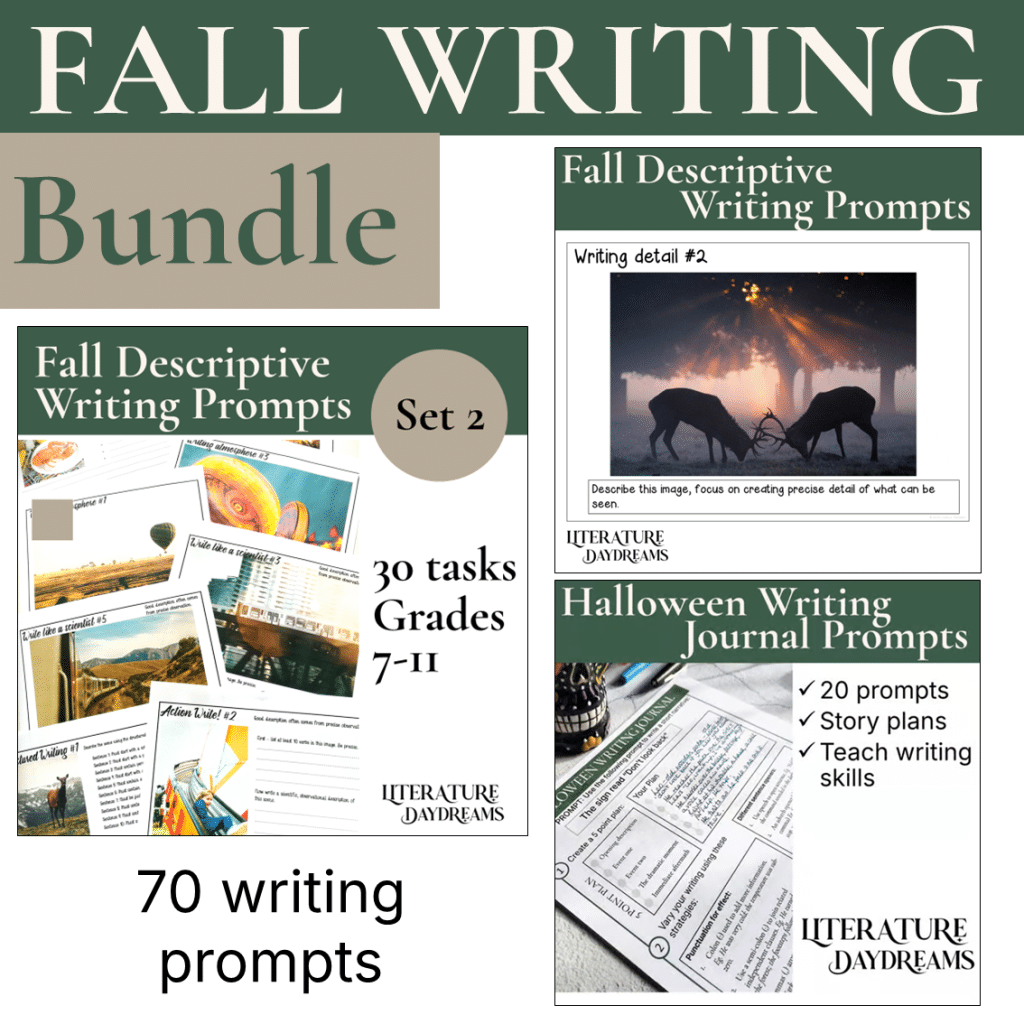
If your students enjoy these, my Fall and Halloween Writing Prompts Bundle has a term’s worth of seasonal creative writing tasks, ready to print.
And if you’re doing the November Writing Challenge, the gratitude zoom makes a perfect 100-word day.
However you use them, I hope these help your students write something they actually mean this Thanksgiving.